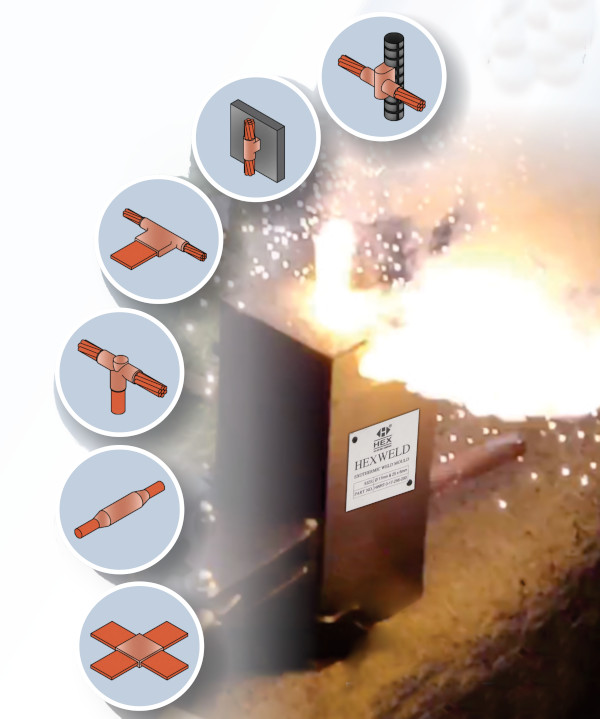
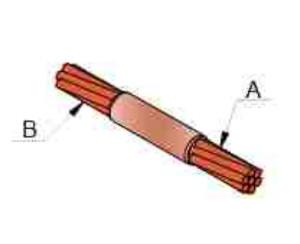
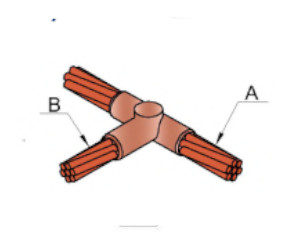
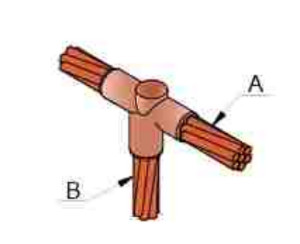
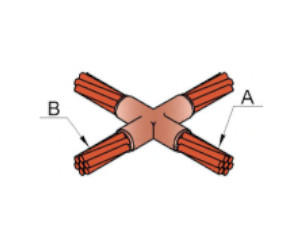
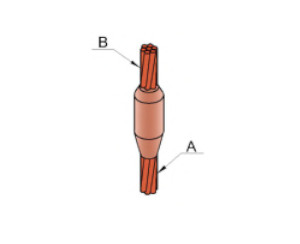
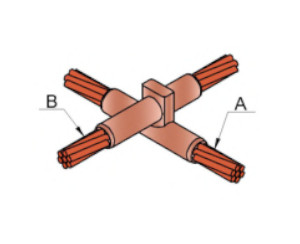
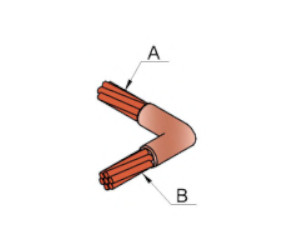
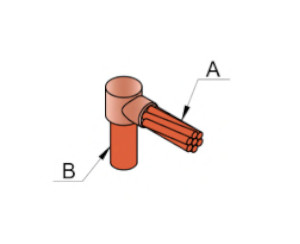
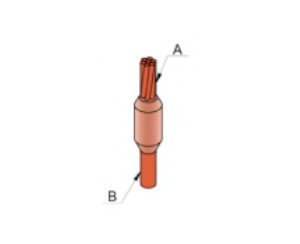
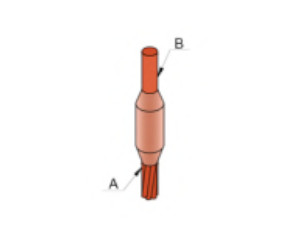
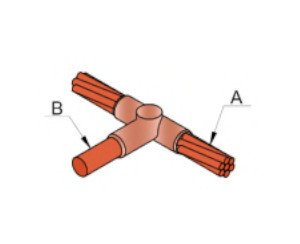
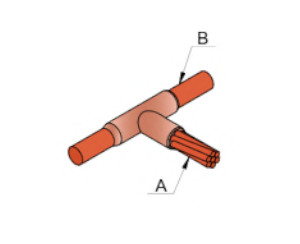
The HEXWELD processes use the same, time proven way to connect conductors at the molecular level. This process involves the reduction of copper oxide by aluminum which creates aluminum oxide and enough heat to provide molten copper for the connection.
The reaction is encapsulated by a graphite mould that is designed for specific conductors. These moulds provide a portable and economical way to make the best electrical connection.
Where We Can Use Exothermic Welding?
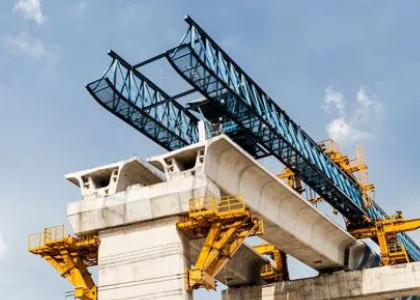
Infrastructure Projects
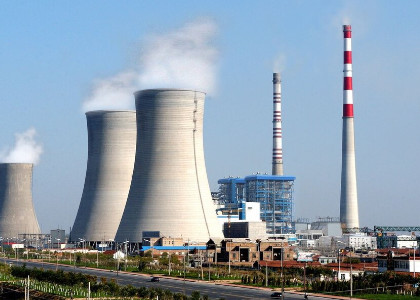
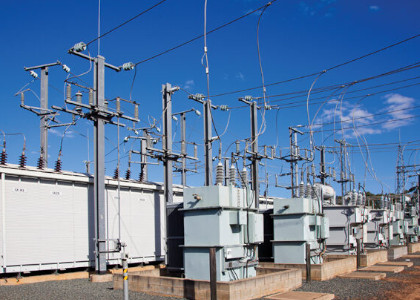
Power Plant
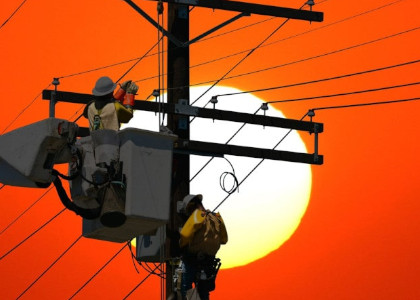
Utility Projects
Substation
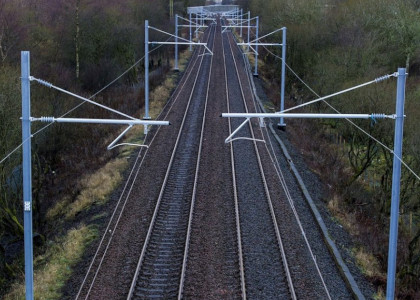
Rail
Wind Farms
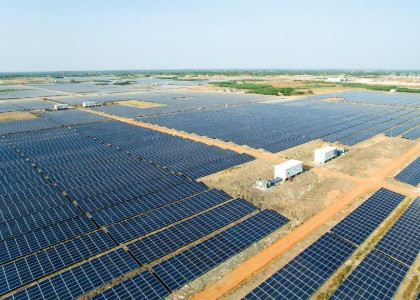
Solar Farms
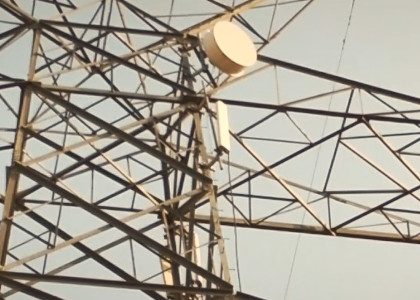
Telecom
The HEXWELD Connection
The HEXWELD connection produces an electrical connection superior in performance to any known mechanical or pressure type connection. These connections are made in several applications including Grounding, Lightning Protection, Cathodic Protection, and Rail.
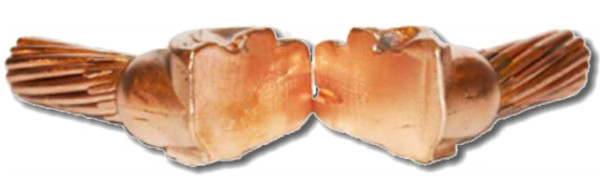
The molecular bond formed when making HEXWELD between two or more conductors.
Advantages of HEXWELD exothermically welded connections:
Due to the fused homogenous connection, they maintain a lower resistance over time.
Due to a limited susceptibility to corrosion, they will not deteriorate with age.
Usually, the life span of the weld exceeds that of the components it connects.
The molecular bonding eliminates any risk of loosening, even due to vibrations.
Will with stand repeated fault currents & offers the lowest possible earth path resistance.
A visual inspection of the joint will ensure quick quality control.
Safe and easy to use with minimal training and protective equipment.