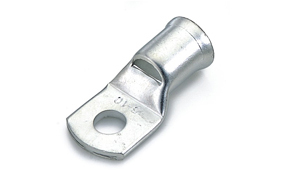
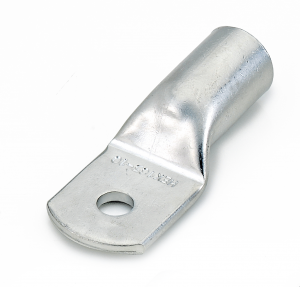
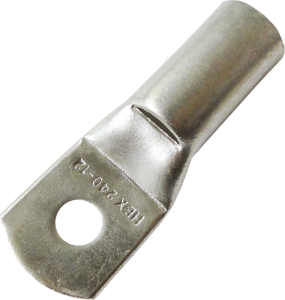
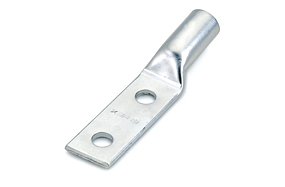
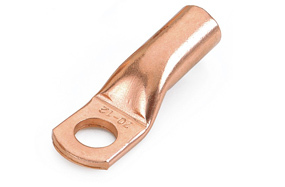
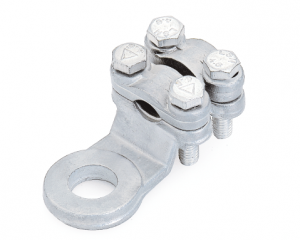
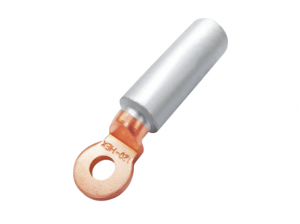
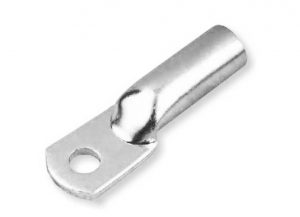
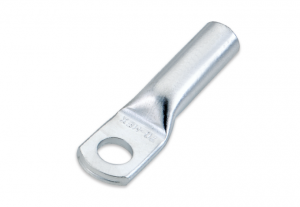
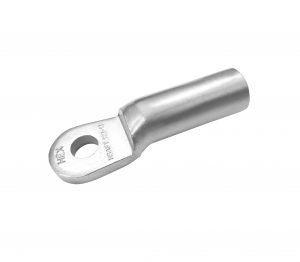
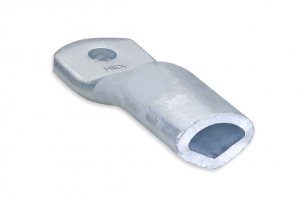
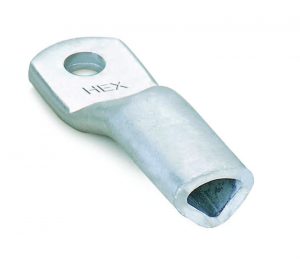
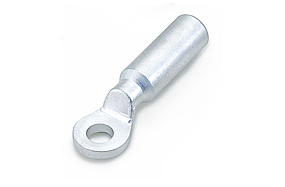
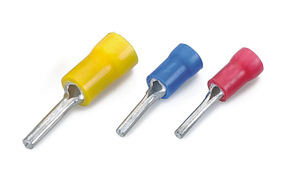
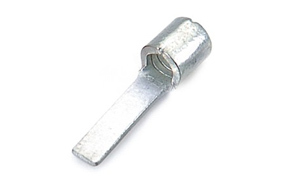
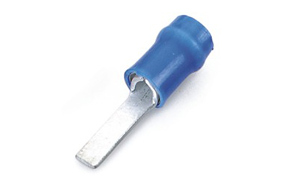
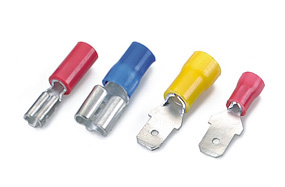
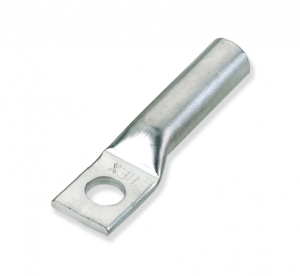
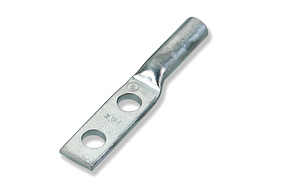
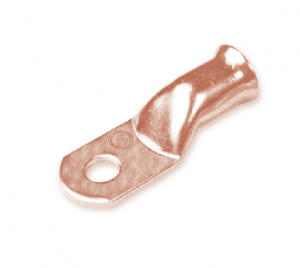
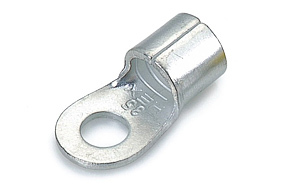
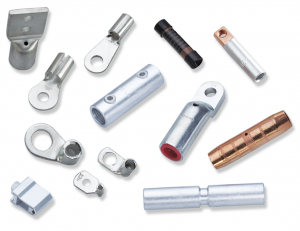
A bare copper lug in a clean, dry indoor environment will perform reliably for the life of the installation. Put that same lug in a coastal substation, an offshore platform, a chemical processing plant, or a humid tropical environment, and oxidation begins immediately — driving up contact resistance, increasing localised heating, and shortening the joint’s service life.
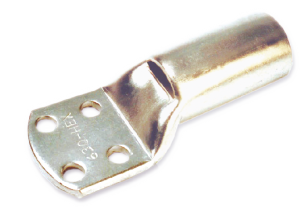
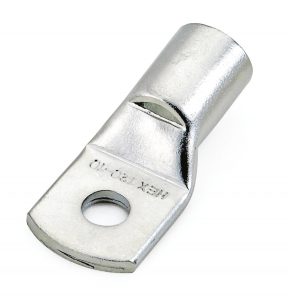
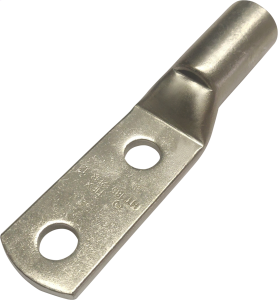
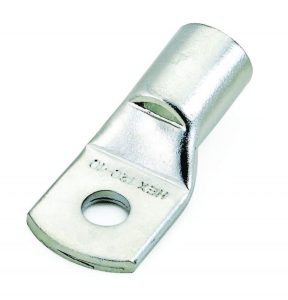
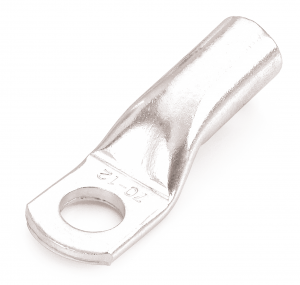
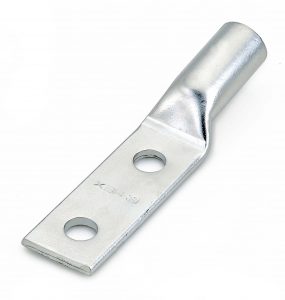
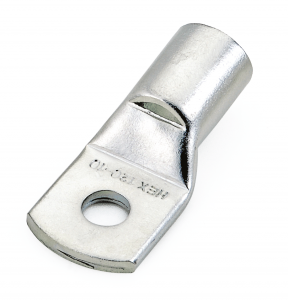
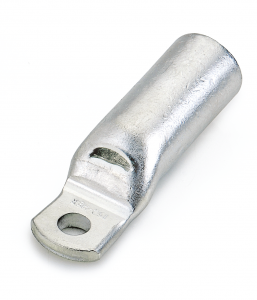
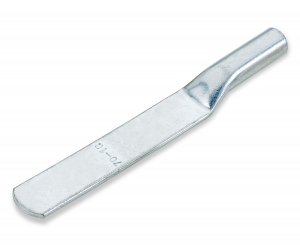
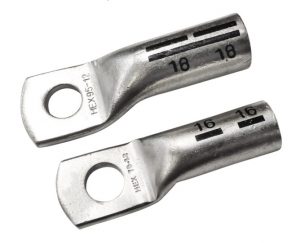
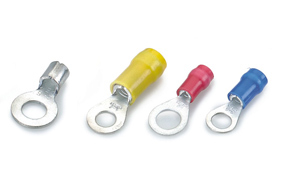
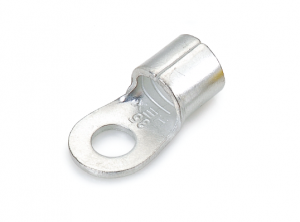
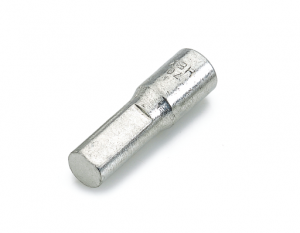
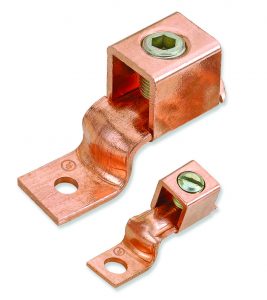
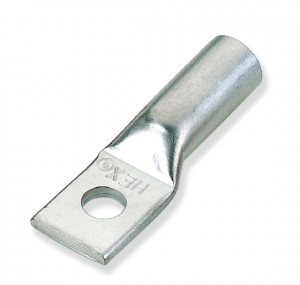
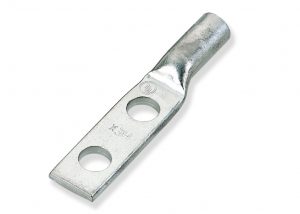
Tinned copper lugs exist to solve this problem precisely. HEX Worldwide manufactures electro-tinned copper cable terminal ends from high-conductivity electrolytic copper (99.9% purity) with a uniform tin coating applied by electrodeposition after forming. The tin layer acts as a barrier against atmospheric oxidation, sulphur-based corrosion, and salt-spray attack — without any meaningful reduction in conductivity at the contact interface.
Why Tin Plating Matters: The Electrochemical Argument
Copper oxidises. In a clean indoor environment, the copper oxide layer that forms on a bare lug surface is thin and stable, and the clamping force at the bolted joint breaks through it to establish metallic contact. In more aggressive environments, however, the chemistry is less forgiving:
Coastal / marine environments — salt-laden air attacks copper, forming basic copper chlorides and carbonates that are electrically resistive and mechanically flaky
Chemical plant atmospheres — sulphur compounds (H₂S from process gases or battery charging areas) attack bare copper, forming copper sulphide — a black, resistive compound
High-humidity enclosures — repeated condensation cycles drive oxidation even in the absence of aggressive chemicals
Outdoor installations — temperature cycling and UV exposure accelerate oxidation at exposed copper surfaces
Tin has a much lower reactivity than copper in all these environments. The tin coating maintains the bright metallic surface at the contact zone, ensuring that the actual electrical interface — between the lug palm and the busbar — remains low resistance throughout the service life of the joint.
Importantly, tin plating does not meaningfully reduce conductivity at the contact interface. The tin-to-copper contact resistance at a properly torqued bolted joint is negligible relative to the bulk conductance of the conductor and lug palm.
Technical Specifications
Parameter
Specification
Base material
Electrolytic copper, min. 99.9% Cu purity
Base conductivity
≥ 97% IACS
Tin coating method
Electrodeposition (bright tin)
Tin coating thickness
8–12 µm (per BS 4579 Annex requirements)
Tin purity
Min. 99.5% Sn
Hardness (base Cu)
Annealed condition
Operating temperature
–40°C to +105°C continuous
Voltage class
Up to 1 kV (LV)
Standards
IS 8309:2004, BS 4579, DIN 46235, IEC 61238-1
Available sizes
4 mm² – 630 mm² (product-dependent)
Technical Specifications
Parameter
Specification
Base material
Electrolytic copper, min. 99.9% Cu purity
Base conductivity
≥ 97% IACS
Tin coating method
Electrodeposition (bright tin)
Tin coating thickness
8–12 µm (per BS 4579 Annex requirements)
Tin purity
Min. 99.5% Sn
Hardness (base Cu)
Annealed condition
Operating temperature
–40°C to +105°C continuous
Voltage class
Up to 1 kV (LV)
Standards
IS 8309:2004, BS 4579, DIN 46235, IEC 61238-1
Available sizes
4 mm² – 630 mm² (product-dependent)
Applications
Marine & Offshore Installations Offshore oil and gas platforms, FPSOs, marine vessels, and port electrical infrastructure where salt-spray and condensation make bare copper terminations a maintenance liability. Tinned lugs are specified as standard in most marine electrical standards (IEC 60092 marine installations).
Coastal Substations & Distribution Equipment Electrical substations within 5 km of the coastline are classified as high-corrosivity environments (Category C4/C5 per ISO 12944). Tinned copper lugs extend the maintenance interval for LV busbar terminations in coastal switchgear significantly compared to bare copper.
Chemical & Process Plants Terminations in areas with atmospheric H₂S (petrochemical, wastewater, fertiliser, pulp & paper) require tinned copper lugs as standard to prevent sulphide corrosion of copper contact surfaces.
Battery Rooms & UPS Installations Battery charging environments produce hydrogen and sulphuric acid mist. Tinned lugs at battery terminal connections and distribution boards in battery rooms are best practice for corrosion resistance and connection reliability.
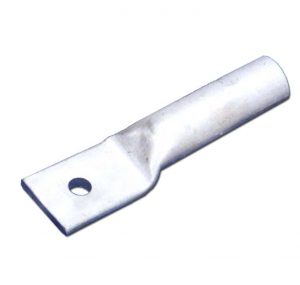
Power Transformers — LV Busbar Connections Our heavy-duty tinned transformer lugs are designed specifically for this application — the highest-current, most mechanically demanding lug termination in a typical substation. The tinned finish ensures long-term low contact resistance at the bushing pad interface.
Renewable Energy — Inverter and Combiner Box Connections Outdoor solar and wind installations subject conductors and terminations to continuous UV exposure, temperature cycling, and humidity. Tinned copper lugs at inverter DC and AC terminal connections reduce the risk of oxidation-induced connection failures in outdoor equipment.
Tin Plating vs Silver Plating: When to Step Up
For most corrosion-resistance applications, tin plating is the correct and cost-effective solution. However, there are specific high-temperature or high-vibration scenarios where silver plating offers superior performance:
Silver-plated copper lugs are available on request from HEX for applications exceeding the performance envelope of tin plating. Contact our sales team for specifications and pricing.
Frequently Asked Questions
Does tin plating reduce the conductivity of the lug?
No. The tin coating is applied to the outer surfaces of the lug — it does not affect the bulk conductivity of the copper barrel or palm. Contact resistance at the bolted joint interface is governed by the surface condition and the clamping torque; a properly torqued tinned lug delivers contact resistance equivalent to a bare copper lug of the same geometry in a clean environment, and significantly lower resistance than an oxidised bare copper lug in a corrosive environment.
How thick is the tin coating on HEX tinned copper lugs?
Our standard electrodeposited tin coating is 8–12 µm in accordance with the requirements of BS 4579. This thickness provides effective corrosion protection without creating dimensional interference in the barrel bore or at the bolt hole.
Can tinned copper lugs be used outdoors without additional protection?
Yes, for most outdoor installations. The tin coating provides adequate protection for standard outdoor environments. For severe environments (coastal, industrial C4/C5 per ISO 12944), additional protection — such as self-amalgamating tape over the lug body after installation, or a heat-shrink boot — is recommended as part of a complete termination system.
Are tinned copper lugs suitable for aluminium conductors?
No. Aluminium conductors should be terminated into aluminium or bimetallic lugs, regardless of the tin coating on the lug surface. The tin coating on a copper lug does not prevent the galvanic corrosion that occurs at the aluminium conductor-to-copper barrel interface. Specify bimetallic lugs for all aluminium conductor terminations.
Do you offer tinned lugs with IS 8309 certification documents?
Yes. Test certificates, material certificates, and dimensional inspection reports under IS 8309 are available for project procurement requirements. Please specify documentation requirements when placing your order.